16 November 2026 · 6 min read
Pigs in the Crop, Deer on the Fences: How to Get Licensed Hunters onto Your Farm, Free or Paid
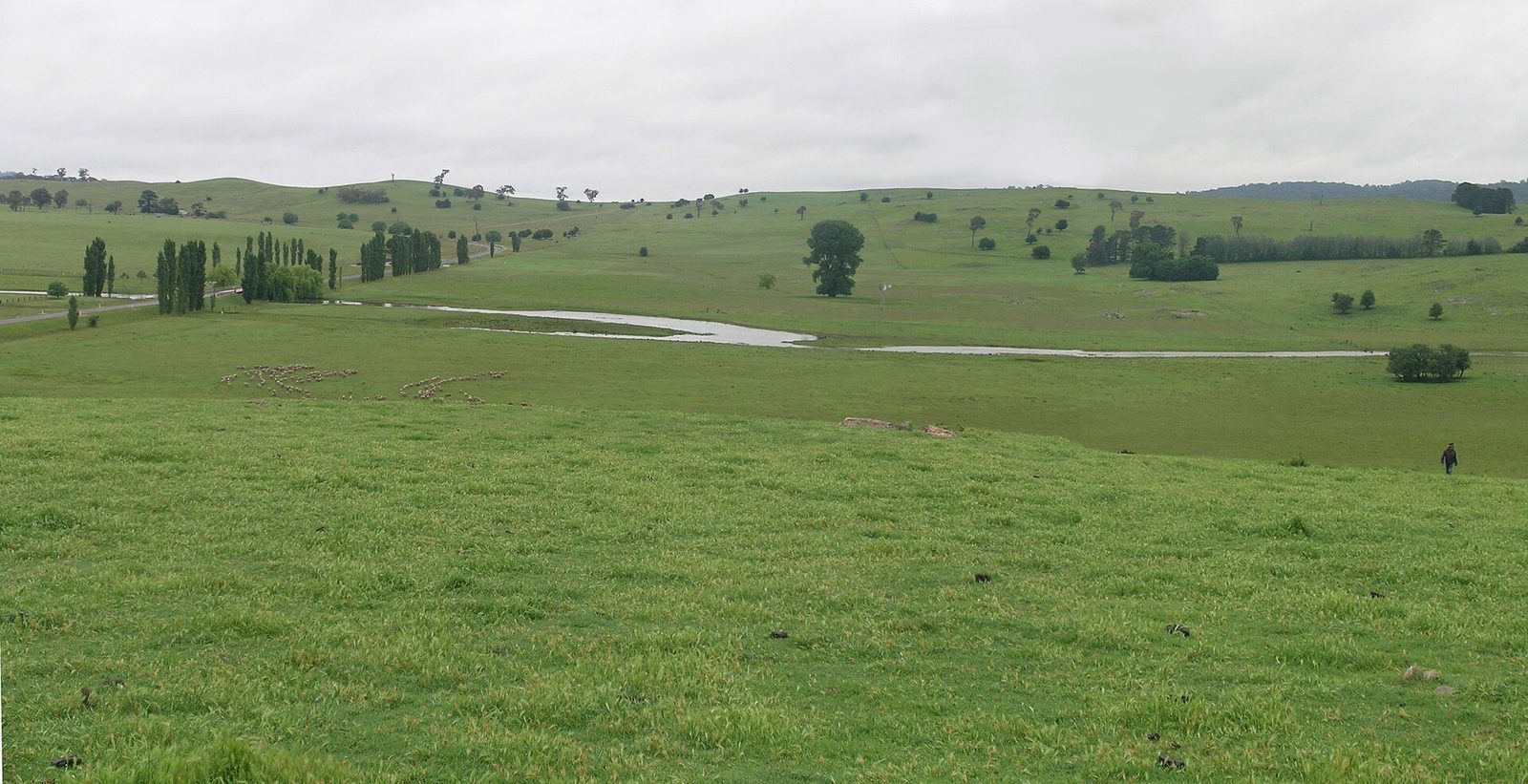
Most of what is written about hunting access is written for hunters. This one is for the person on the other side of the gate: the farmer, grazier or bush block owner with pigs turning over a paddock, deer leaning on the fences, goats in the gully or foxes around at lambing.
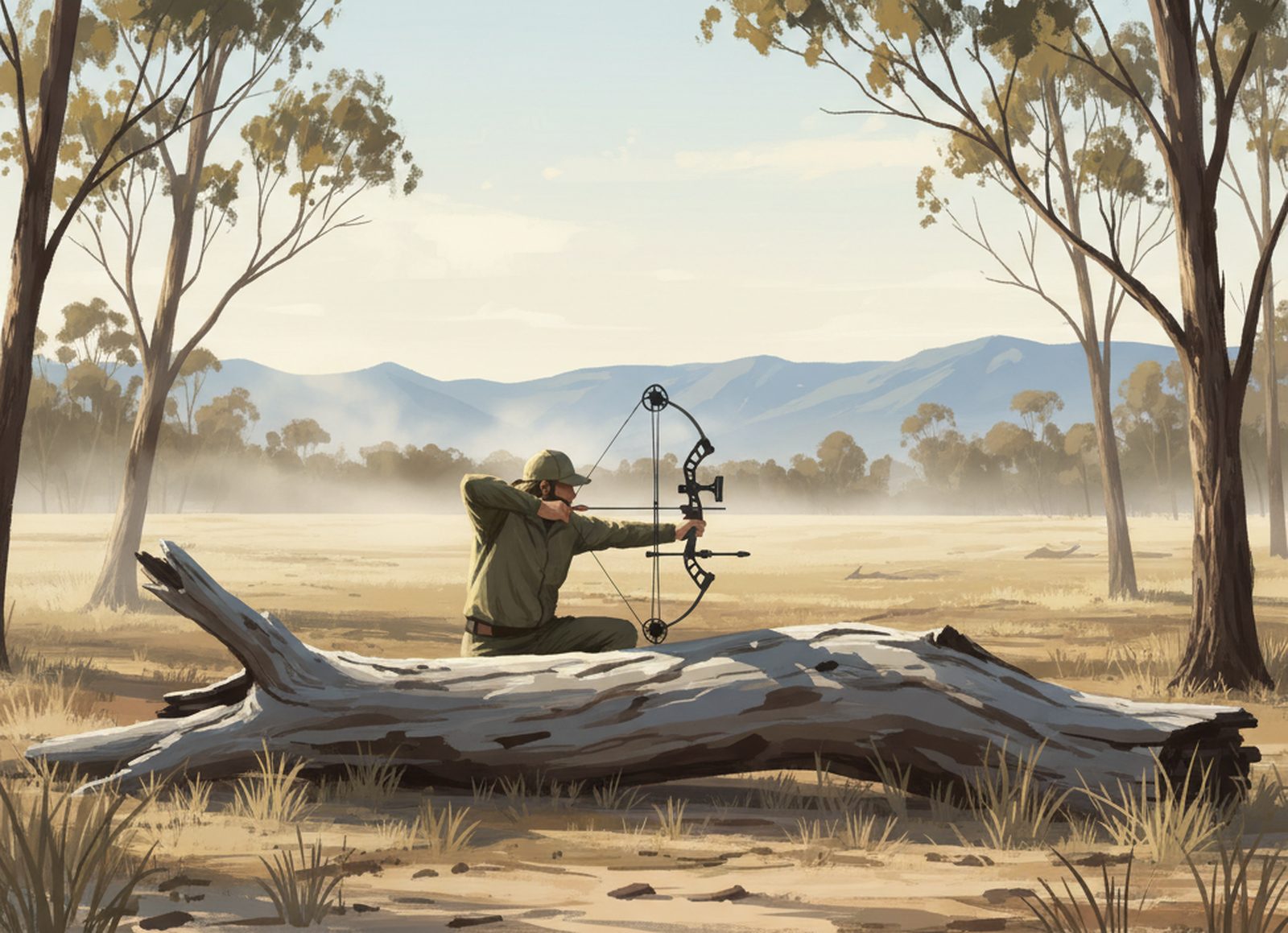
The short version: there are licensed hunters who want exactly one thing, which is legal access to land like yours. You can let them in for nothing, as pest control, or you can charge for the access. Either way you decide who comes, when, and under what rules. This guide covers how both arrangements work on Hunting Properties Australia, what stands between you and a stranger with a rifle, and what a hunter has to hold in your state.
Two ways to do it
Free, as pest control. You list the property as pest control only. There is no nightly rate and no fee in either direction: it is free for you and free for the hunter. This suits a landholder for whom moving the ferals matters more than the money.
Paid access. You set a nightly price, for the whole property or per hunter. Hunters book and pay online and 85% of every booking is paid to your bank account. The other 15% is our commission, charged only when a booking is paid. Listing is free either way.
You can switch between the two at any time from your dashboard, so nothing stops you starting with pest control only and putting a price on it once you have seen how it runs.
How a pest-control listing works
- List the place and tick one box. Describe the country and what is on it, then tick "Pest control only" in the pricing step. The listing shows as a free stay.
- Hunters ask, you approve. Every booking is a request. You see who is asking and for which dates, and you say yes or no. Nobody sets foot on the place without your approval.
- They hunt to your rules. Your boundaries, your no-go paddocks, whether you allow night shooting or dogs, where to park and which gates stay shut: you write the rules into the listing and hunters agree to them before they book.
Bookings are exclusive, so there is one party on your place at a time and you know exactly who it is.
Free does not mean unvetted
A pest-control booking goes through every check a paid hunt does. The only thing missing is the invoice.
- A signed release. Every hunter in the party signs their own release of liability and assumption of risk in your favour before the booking can go ahead. Each signature is stored against the booking.
- Licences and membership on file. A hunter must have a current firearms licence (unless they hunt with a bow only) and SSAA or AHO membership on file before a booking is confirmed. That membership carries their public liability insurance. You can sight both at the gate, and we tell hunters to expect it.
- A written record. The booking is your record of who was on the property, when, and what they agreed to. It doubles as the written permission a hunter needs to show.
- You stay in control. You can block out lambing, shearing, harvest or family weekends, pause the listing with one click, and cancel on the spot over unsafe behaviour. That is never held against you.
As with any activity on a farm, we still recommend you carry public liability insurance and describe known hazards in the listing. Most rural policies can add hunting stays.
What a hunter must hold in your state
The rules a hunter works under are set by the state, and they differ at every border.
- New South Wales. Since 2019 there is no game licence for deer, pigs, goats, foxes or rabbits on private land. A hunter needs a current firearms licence and your permission. Listing in NSW.
- Victoria. Deer and duck need a Game Licence wherever they are hunted, your land included. Foxes, rabbits and other pest animals need no game licence on private property. Listing in Victoria.
- Queensland. There is no hunting licence. A weapons licence and the landholder's permission are the whole legal basis, and there is generally no public land to hunt instead. Listing in Queensland.
- South Australia. Feral animals are hunted on private land with a Basic Hunting Permit and the landholder's written permission. Listing in South Australia.
- Western Australia. Recreational hunting is on private land with the landholder's permission. Since 31 March 2025 you must register the land for hunting on the WA Police firearms portal (you do not need a firearms licence yourself to do it), and each visiting hunter needs a temporary hunting permission from you, in writing, for up to 14 days. Listing in Western Australia.
- Tasmania. Hunting licences are issued through NRE Tasmania, and most hunting is on private land. Listing in Tasmania.
- Northern Territory. Pastoral and private land is hunted with the landholder's permission. Listing in the Northern Territory.
In every state your booking record is that permission, in writing. Rules change, so hunters are told to confirm current requirements with the state regulator before they travel.
Getting real pressure on the animals
A few things make the difference between a hunter who helps and one who just visits.
- Say what you want taken. If the pigs are the problem and the kangaroos are not to be touched, write it in the listing. Hunters would rather know.
- Say where the animals are. A line about the creek flats the pigs work, or the paddock the deer come into at dusk, gets pressure on the right place from the first evening.
- Set the rules you would set for a contractor. Boundaries, stock paddocks, houses and sheds, vehicle tracks when it is wet, what happens to carcasses.
- Use your calendar. Open the weeks the damage is worst and block the weeks you have stock work on.
Be clear-eyed about what this is. Recreational hunters are extra pressure on your ferals at no cost to you. They are not a replacement for a coordinated control program with your neighbours or your local biosecurity office, where one is needed.
The questions landholders ask first
What does it cost me? Nothing to list, ever. A pest-control listing has no fees at all. On a paid listing we keep 15% of a booking when it is paid.
Can I say no? Yes. On a pest-control listing every booking is a request you approve, and on a paid listing you can choose to approve each hunter or let bookings confirm on payment.
Is this a hunting lease? No. A lease hands the block to one person or club for a season or a year. Here hunters book by the night, one party at a time, and you keep control of the dates.
How long does it take? About 20 minutes to list. You will need at least one photo of the place before the listing can go live.
If the ferals are costing you money, the hunters who want to help are already looking. See how listing works, or go straight to your state's page for the rules where you are.
Ready to secure your next hunt?
Browse private hunting properties across 22 regions and get written landholder permission the moment you book.
Browse properties